Recognising Emergency Symptoms That Need an Ambulance
On This Page

July 17, 20266 min read
Emergencies can happen anytime, and knowing when to call an ambulance could save a life. This guide helps you recognise the key symptoms that require urgent medical attention and describes the process of calling 999. Whether youre unsure about a situation or want to be prepared, this advice will give you the confidence to act quickly and appropriately.
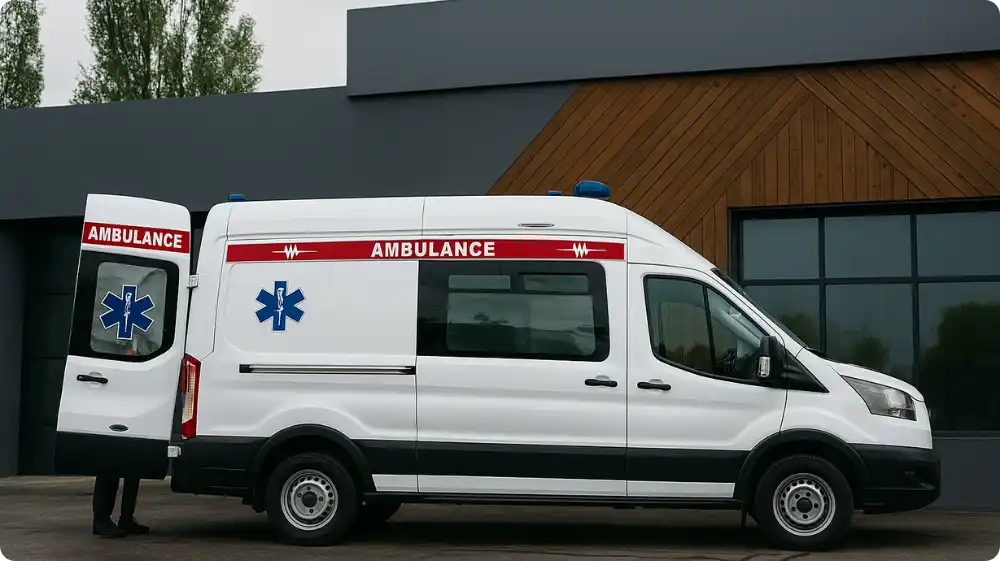
What Is the Emergency Number in the UK and How to Call
In the UK, the emergency number to call for an ambulance is 999. When you call this number, your call is connected to a trained operator who will ask you important questions to understand the situation. Its important to stay calm, speak clearly, and provide accurate information about the location and the patients condition to ensure help arrives quickly.
When to Call an Ambulance: Key Symptoms and Situations
Knowing when to call an ambulance is essential for getting urgent medical help when it really matters. If you or someone else experiences any of the following symptoms or situations, call 999 immediately:
Severe chest pain or suspected heart attack
Difficulty breathing or shortness of breath
Uncontrolled or heavy bleeding
Sudden loss of consciousness or unresponsiveness
Signs of a stroke (face drooping, arm weakness, speech difficulties)
Severe allergic reactions (anaphylaxis)
Major injuries from accidents or trauma
Put Your First Aid Knowledge into Practice by enrolling in a course today! Our First Aid courses equip you to handle critical situations, including spinal injury management, and enhance workplace safety. Build confidence and expertise with Emergency First Aid at Work (EFAW) and Level 3 First Aid at Work meeting UK legal requirements.
How to Call an Ambulance: Step-by-Step Guidance
When calling an ambulance, following a clear step-by-step process helps ensure you provide the right information quickly and get the best possible help. Use this guide to stay calm and confident during your emergency call.
Steps | What to do | Tips |
1 | Dial 999 | Stay calm and wait for the operator to answer |
2 | Say you need an ambulance | Be clear and direct |
3 | Provide your exact location | Include street names, landmarks, or nearby buildings |
4 | Describe the emergency and symptoms | Be honest and specific about whats happening |
5 | Answer any questions from the operator | Listen carefully and respond clearly |
6 | Follow the instructions given by the operator | They may guide you on first aid or safety |
7 | Stay on the line until you are told you can hang up | Don't end the call prematurely |
First Aid Actions to Take While Waiting for an Ambulance
When youve called an ambulance, your actions before help arrives can make a big difference. Here are some key first aid steps to take while waiting:
Keep the person calm and comfortable, either seated or lying down.
If unconscious but breathing, place them in the recovery position to open the airway.
If not breathing, start CPR immediately to maintain blood circulation until help arrives.
Apply gentle pressure on any wounds with a clean cloth or bandage to stop bleeding.
Avoid moving someone with serious injuries unless its absolutely necessary.
Monitor their breathing and responsiveness closely until the ambulance arrives.
Do not give food or drink unless advised by a medical professional or the 999 operator.
Knowing When an Ambulance Is Not Needed
Not every medical situation requires calling an ambulance. Understanding when to seek alternative care can help ensure emergency services are available for those who need them most. You dont need to call an ambulance if the condition is stable, non-life-threatening, or can be treated by a pharmacist, GP, or urgent care centre.
Examples of situations where calling an ambulance isnt necessary include:
Minor cuts and bruises that can be treated at home
Mild fevers or common colds
Minor sprains or strains without severe pain or swelling
Taking someone to the hospital who can travel safely by car or taxi
Ongoing health conditions that are not worsening rapidly
If youre ever unsure, its better to call 111 for advice or speak to a healthcare professional before deciding.
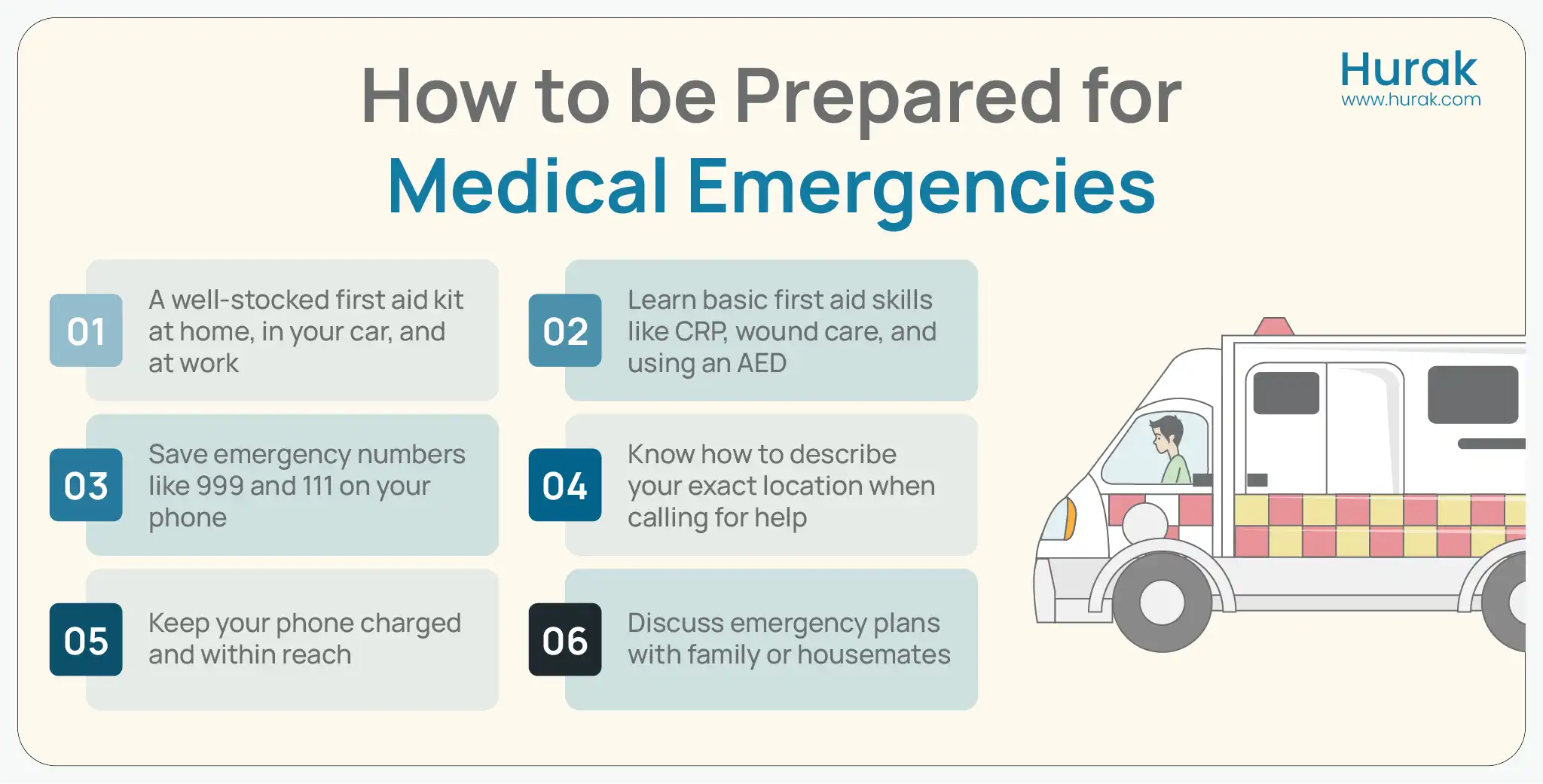
How to Be Prepared for Medical Emergencies
Being prepared for emergencies can make all the difference when seconds count. Here are some essential steps to help you stay ready and confident in any situation:
Conclusion
Knowing when and how to call an ambulance is crucial in emergencies. Acting quickly and providing accurate information can save lives. Remember to stay calm, follow the steps outlined, and take basic first aid actions while waiting for help. Being prepared with the right knowledge and skills gives you the confidence to respond effectively in any emergency situation. To build your skills further, consider enrolling in our First Aid Course at Work, designed to equip you with practical techniques for workplace emergencies and beyond.
Frequently Asked Questions
When should I call an ambulance?
Call an ambulance if someone is seriously ill or injured and their condition is life-threatening. Common reasons include chest pain, difficulty breathing, severe bleeding, unconsciousness, or a suspected stroke. If you're unsure, it's safer to call 999.
What is the emergency number in the UK?
The main emergency number in the UK is 999. You can call for ambulance, police, or fire services. Another option is 112, which also connects you to emergency services and works throughout Europe.
How do I call an ambulance in the UK?
Dial 999 and ask for the ambulance service. Stay calm, clearly describe the situation, provide the exact location, and answer any questions the call handler asks. They may give you instructions to follow until help arrives.
What are the most common reasons for calling an ambulance in the UK?
Some of the most common reasons include chest pain (possible heart attack), breathing difficulties, strokes, serious accidents, allergic reactions, and unconsciousness. These are all considered medical emergencies.
What should I do if I'm not sure whether to call an ambulance?
If you're unsure, call NHS 111 for advice. They can assess the situation and tell you whether an ambulance is needed, or guide you to another appropriate service.
Explore Popular First Aid Courses at Hurak
Looking to boost your first aid skills?
Explore our range of first aid courses and find the one thats right for you.
Popular First Aid Courses:
Emergency First Aid at Work (1 Day): Learn CPR, choking, bleeding control, and emergency response for low-risk workplaces.
First Aid at Work (3 Days): Full training for workplace injuries and illnesses; meets HSE standards for high-risk settings.
Paediatric First Aid (2 Days): Covers child-related emergencies like choking, seizures, and allergic reactions.
Basic First Aid Course: General awareness course covering minor injuries, burns, shock, and fainting.
Advanced First Aid Training: Includes trauma care, oxygen use, and advanced secondary assessments.
First Aid for Mental Health: Learn to identify and support mental health issues like stress, anxiety, and depression.
Related articles



Explore more from Hurak
Courses
Upskill with job-ready training.
Mock Tests
Measure your learning progress.
Teach the World Online
Create an online video course, reach students across the globe and earn money